add 3d lighting on a drawing
12 tips for realistic 3D lighting
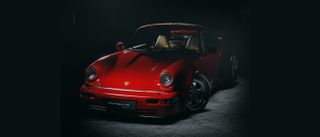
Lighting is fundamental in any 3D art project you work on. At the virtually bones level, it's a way of making objects visible. But cinematographers will tell you lot how lighting is much more.
Lighting enables you lot to bring mood to a slice and ready the tone. It allows you to subtly dispense the viewer to look where you want them to. It is also a way to drag your work out of the 3D realm, giving the warmth of an oil painting or the feel of a photograph.
And if you are modelling a existent-world object – such every bit the highly desirable Porsche Legend 964, here – it is essential you get the lighting right if you are to stand any risk of achieving a photorealistic end. (If y'all want to work with this car, download your 140MB resource files here).
Read on to detect some key lighting techniques that will quickly amend your work.
01. Gather multiple references
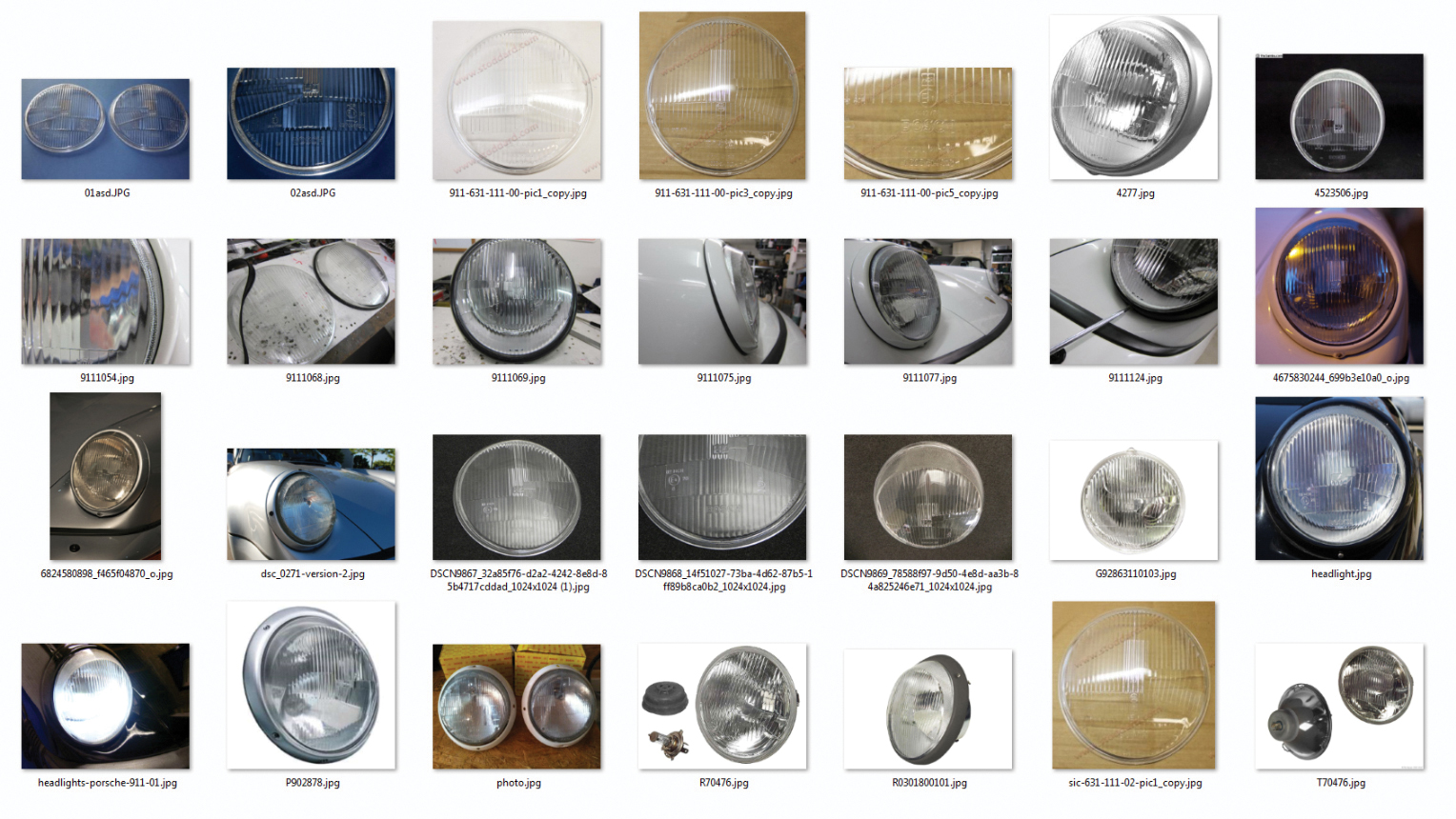
Information technology doesn't matter how practiced y'all recollect your visual memory is, don't endeavour any lighting without having a expert stock of reference material to piece of work from. If you are modelling something from the real world, find photos of information technology that you can utilise.
If this isn't possible, or you are creating something from your imagination, take your own lighting reference photos. Place an object on a plain surface and against a apparently groundwork, light it from one management and take your photograph. Keep moving the light and photographing the event and yous will before long have a comprehensive photo reference bank for where to employ highlights and shadows for different light sources.
Practice the same with a transparent object, and place more than than one object in a scene then you tin encounter how light behaves when information technology hits multiple objects.
02. Employ masks to light models
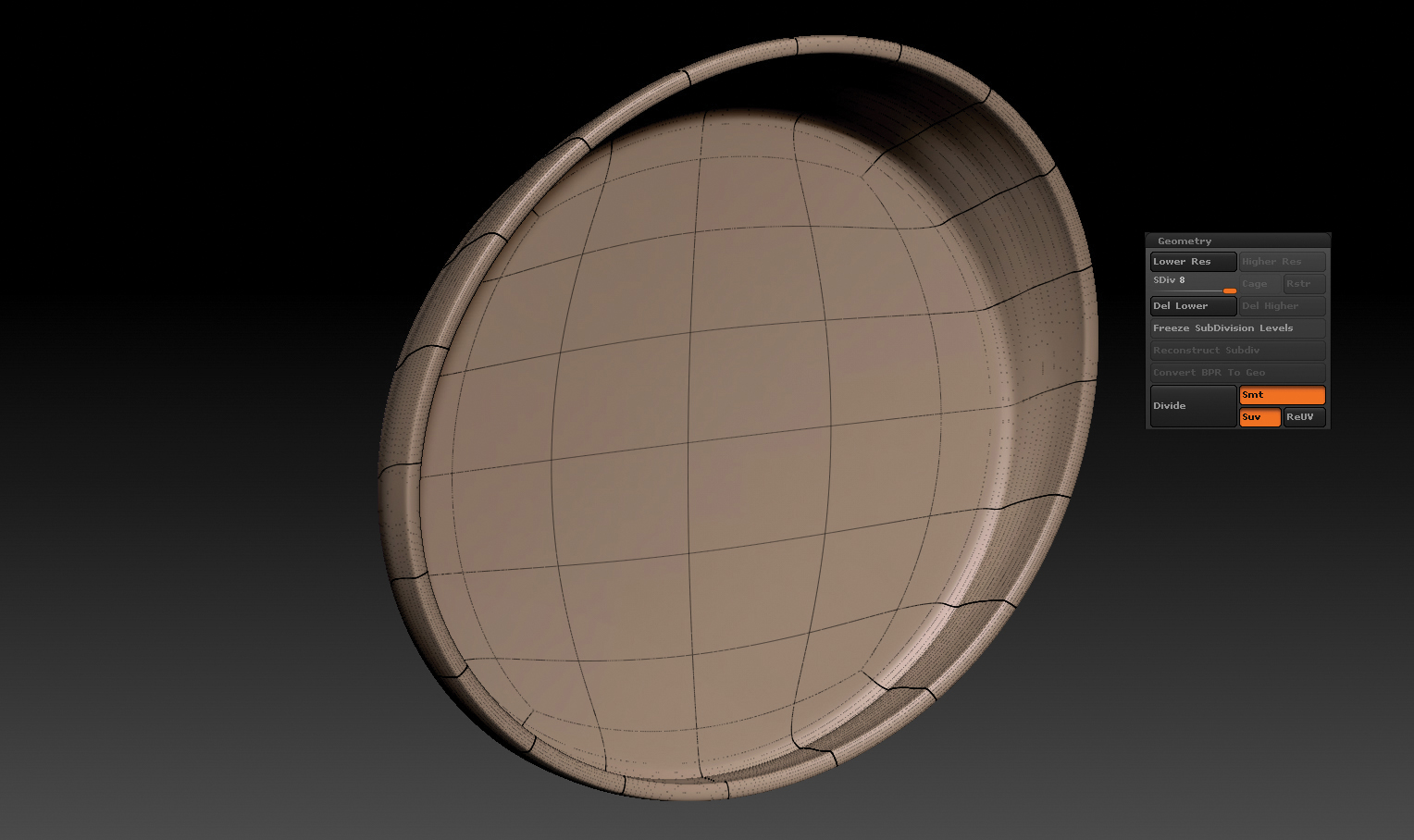
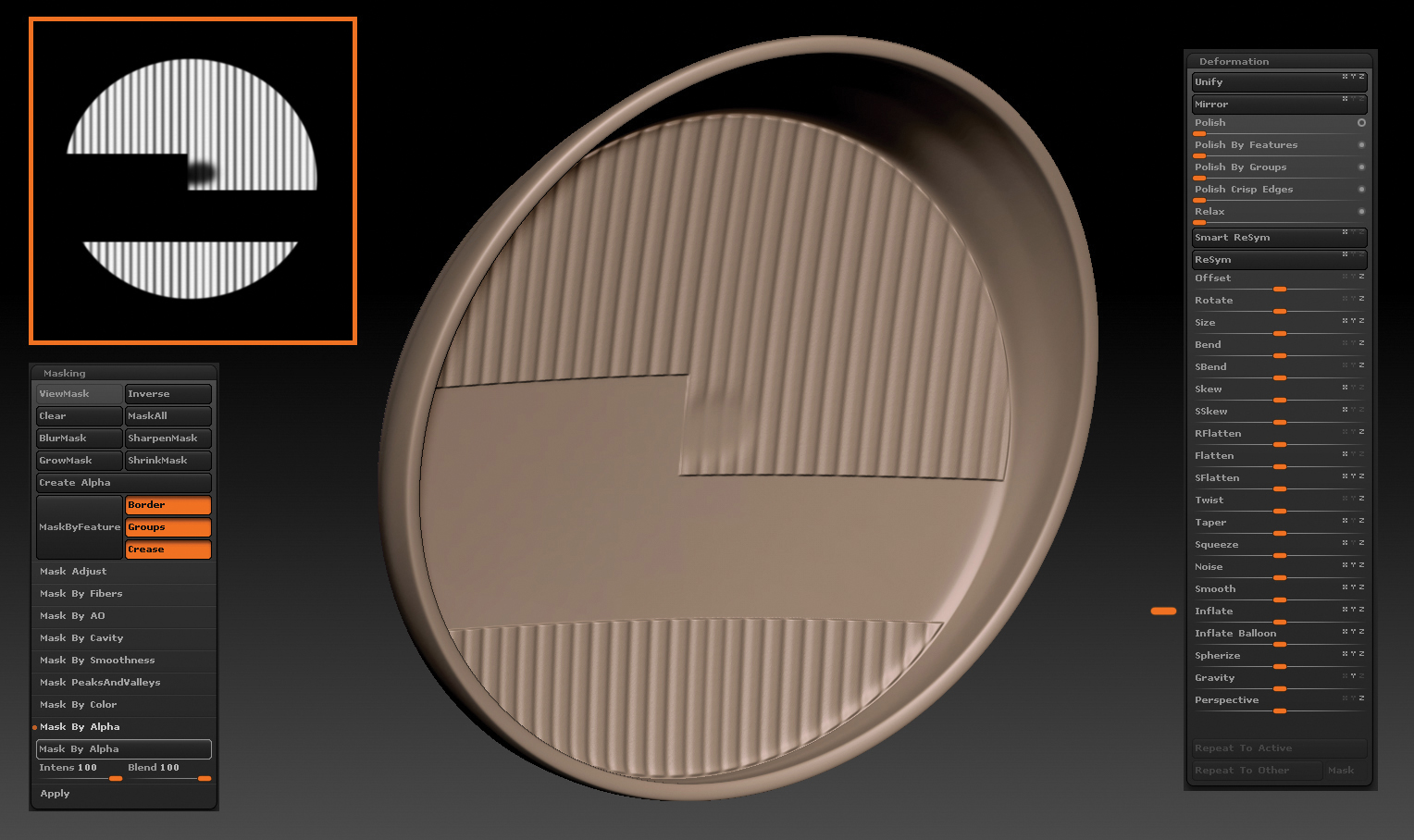
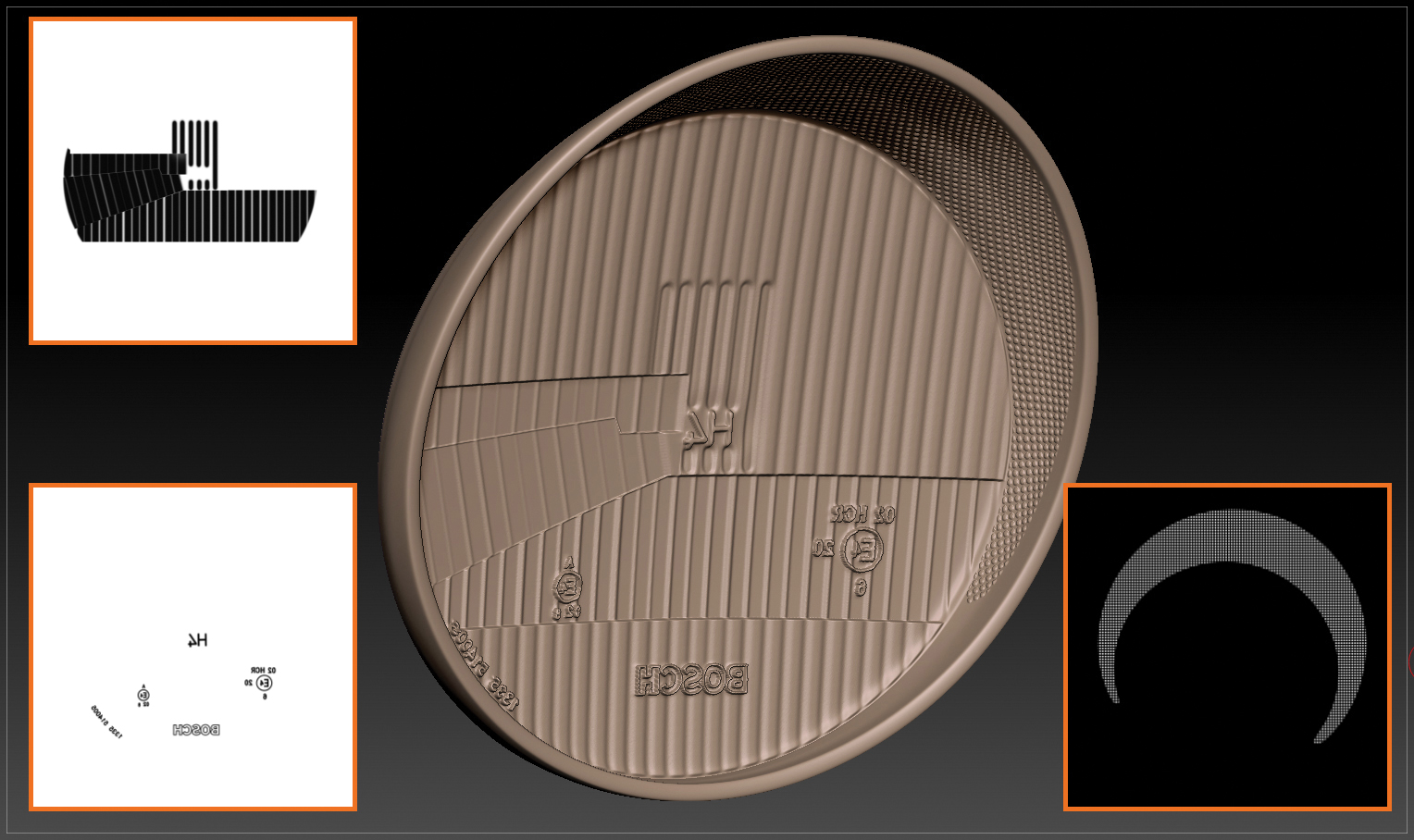
For this image, I created a low poly model that was as simple as possible. To exercise this, fix the UV and so import the model into ZBrush. Make certain that the SUV (Smooth UV) is turned on and so smooth geometry as much as you think is necessary.
Now prepare a blackness-and-white mask in Photoshop and import information technology into ZBrush every bit Alpha Mask. After that, employ the masks to select only the parts you demand. For extruding the details use inflate(Deformation).
Prepare a Dome Light setup with an hdri and and so check how your model looks. In this example here, I take used a simple material without crash-land, because all the details came from displacement.
03. Build a compelling composition
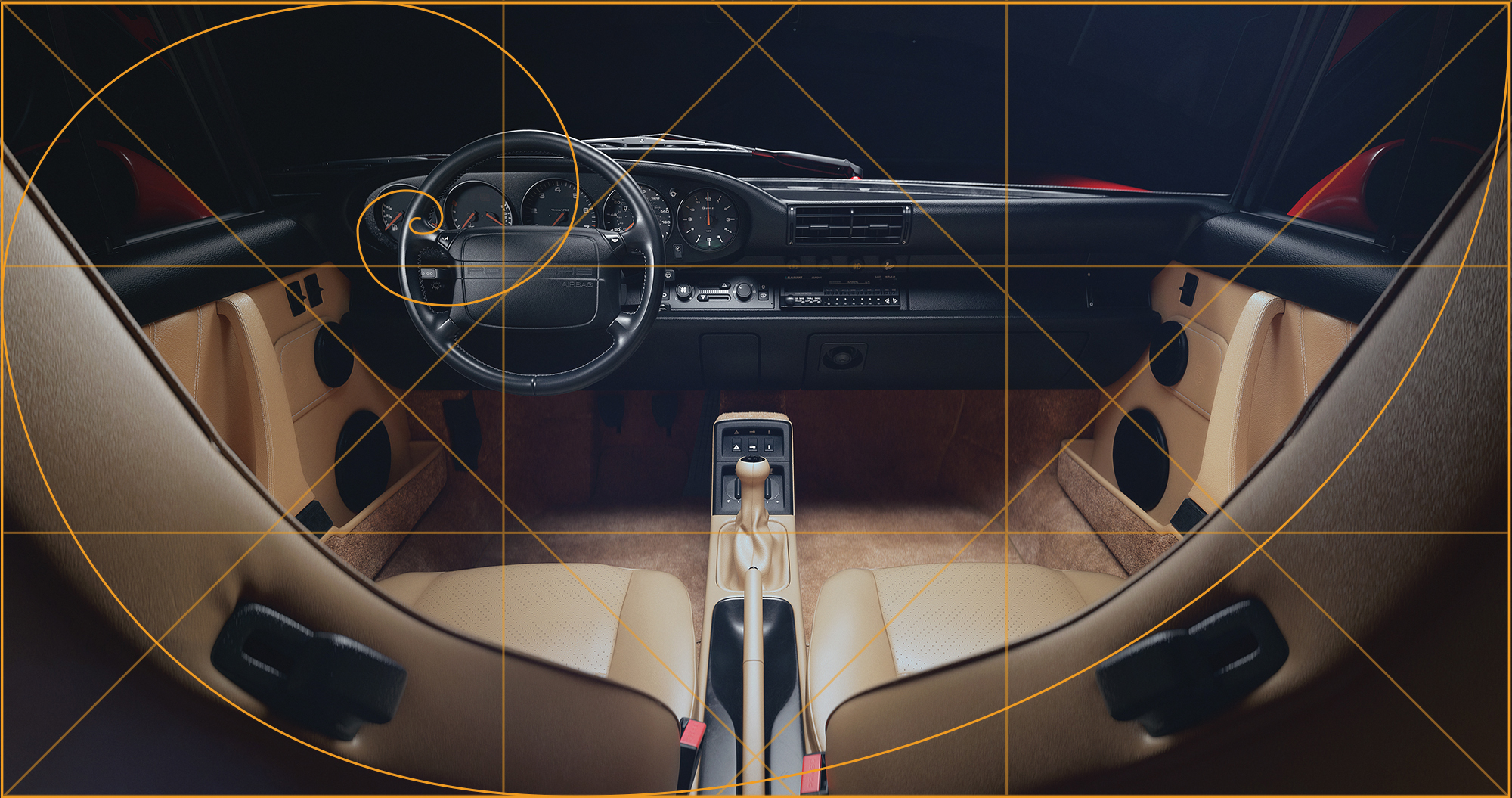
Composition works with lighting when it comes to manipulating the viewer's eye and directing the attending where you desire. The model and textures can be perfect, but if the composition is not good then everything falls into the h2o.
If you are struggling with composition, investigate some traditional fine art theory. Artists and photographers accept devised all sorts of rules for successful composition, from the Dominion of Thirds and filigree theory to the Golden Ratio (seen here). By knowing the road your viewer's center will have, you tin then use lighting to work as support for the limerick.
04. Add drama with strong contrast
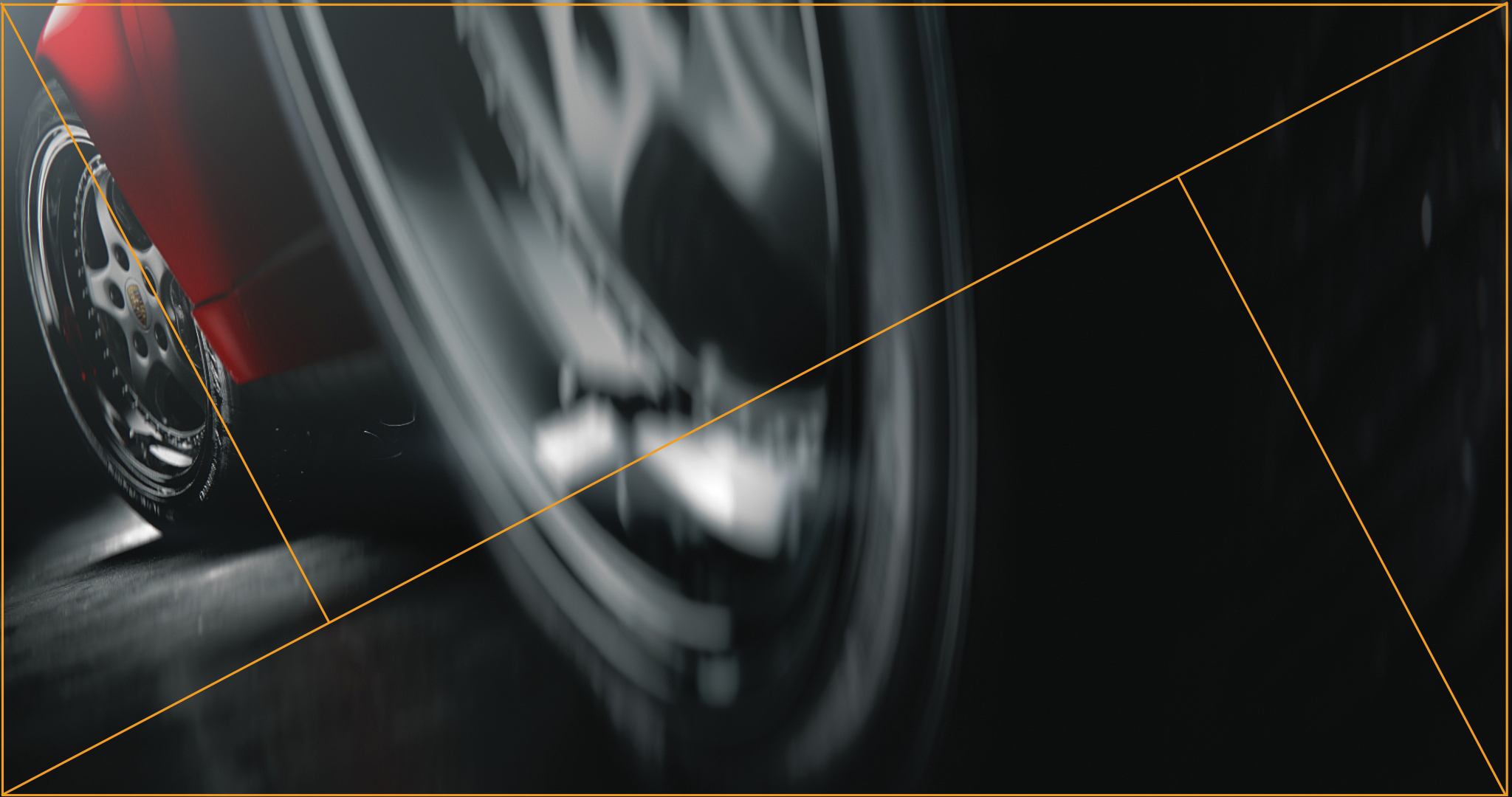
This is an excellent example of how you can focus all the attention on i role of the image by using strong dissimilarity to create a silhouette. In this example, there is also a articulate separation of positive and negative space, which helps emulate a loftier-end photographic quality and to deliver something a bit more interesting and dynamic than merely a car model.
05. Experiment with lenses

Do not limit yourself to normal lenses (50mm). Instead, combine different lenses, angles, photographic camera movement, speed and elapsing. The height of the camera can change a lot and give a completely different impression, which in turn will help open new lighting opportunities you might non have considered.
06. Position the main light
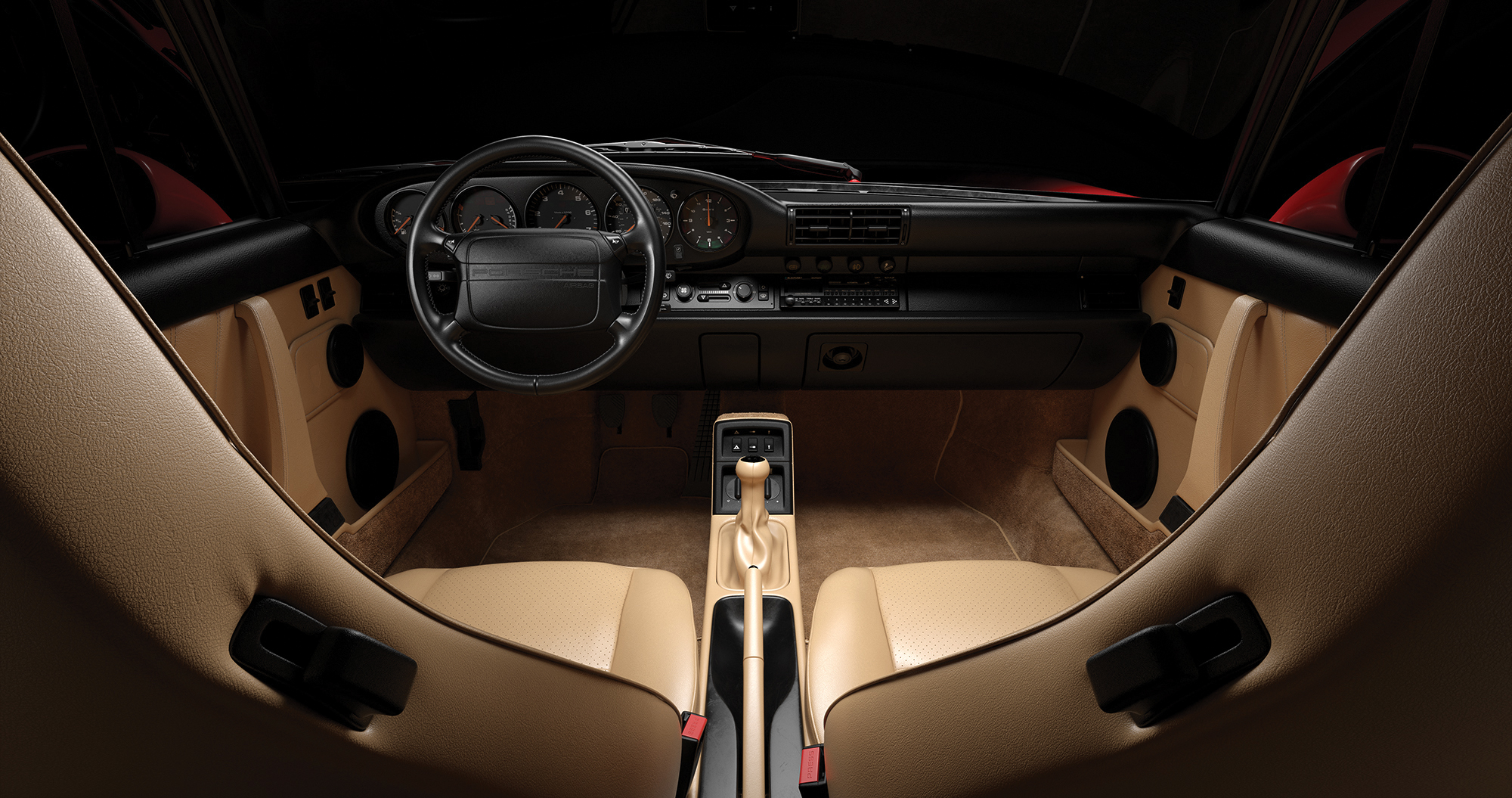
If there was no sound in a film, you lot would exist withal able to tell a story or convey the atmosphere and mood by using lights and shadows. The main light needs to be positioned well and its shadows need to explain the shape and the construction of the scene. It can additionally influence the composition by separating the positive and negative space.
Here, it would take been piece of cake to make full the interior with light, but by placing the primary light where I did, I've made information technology feel as though the viewer is within the motorcar, peering through the front seats. At that place is a feeling of depth and the calorie-free falling where it does accentuates the materials.
07. Build up your light
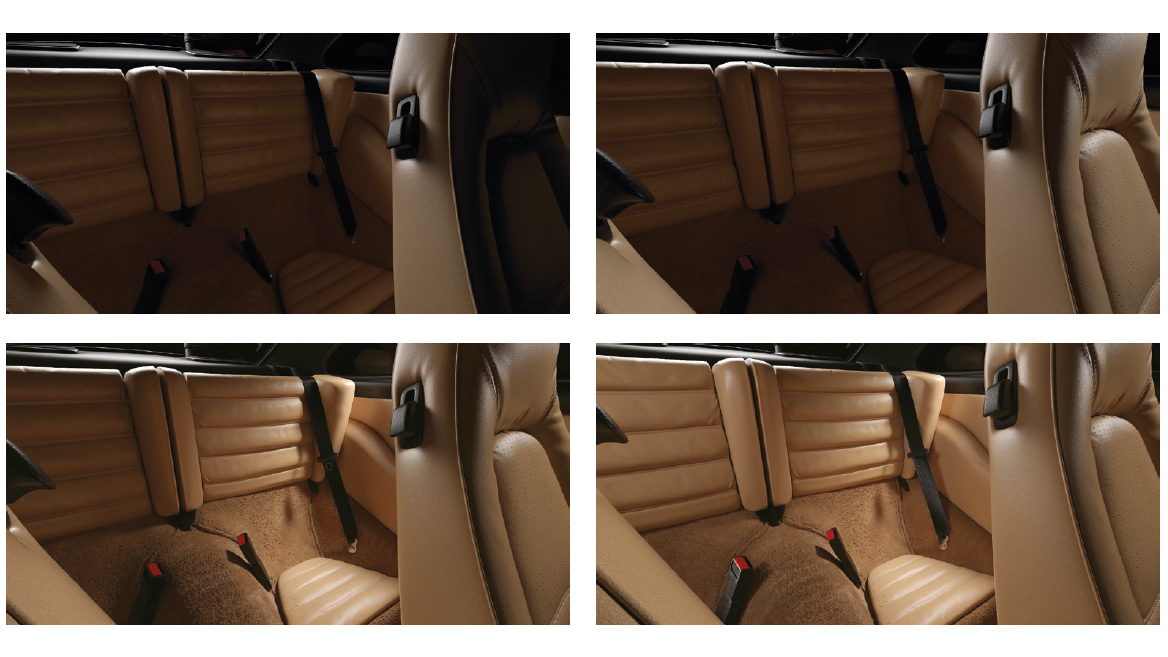
Depending on the situation and requirements, adding other lights helps usa to fill something else or to justify the bounce of the light.
Try to describe the areas you are lighting equally much as possible. Information technology'south best to showtime out of total darkness. You don't have always to be guided by a standard 'hdri', setup but past clumsy usage y'all will go 'washed' low-cal, which is difficult to control. Play with the lights simply always have in mind why that particular low-cal is on that particular place.
08. Clean up in compositing
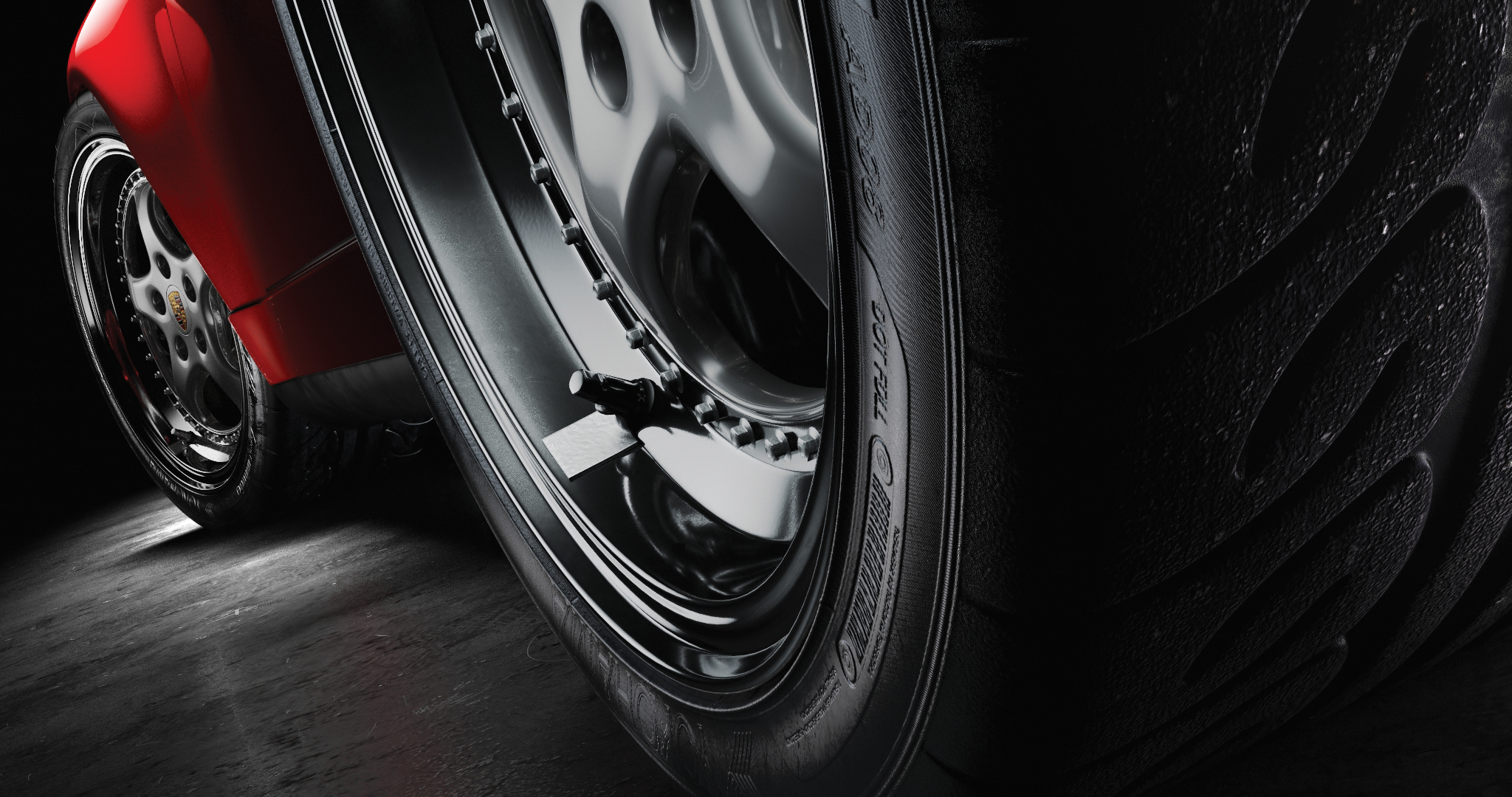
Compositing is the final phase of an paradigm and allows you to quickly and easily combine many different layers, to influence the dissimilarity, colour, depth of field, motion blur, lens animate and everything else that's necessary to make your picture look like it was filmed with a movie camera.
It is necessary to exist aware that some things are easier left for the compositing stage, rather than wasting your time trying to do it in 3D. For case, in the return higher up nosotros tin clearly see the reflection of the wheel on the door, which needs to be removed. The plan is to paint out the spotlight on the floor below the bike, to increase the highlight on the rear tyre and to more often than not reduce the highlights.
09. Utilize effects to straight the viewer's gaze
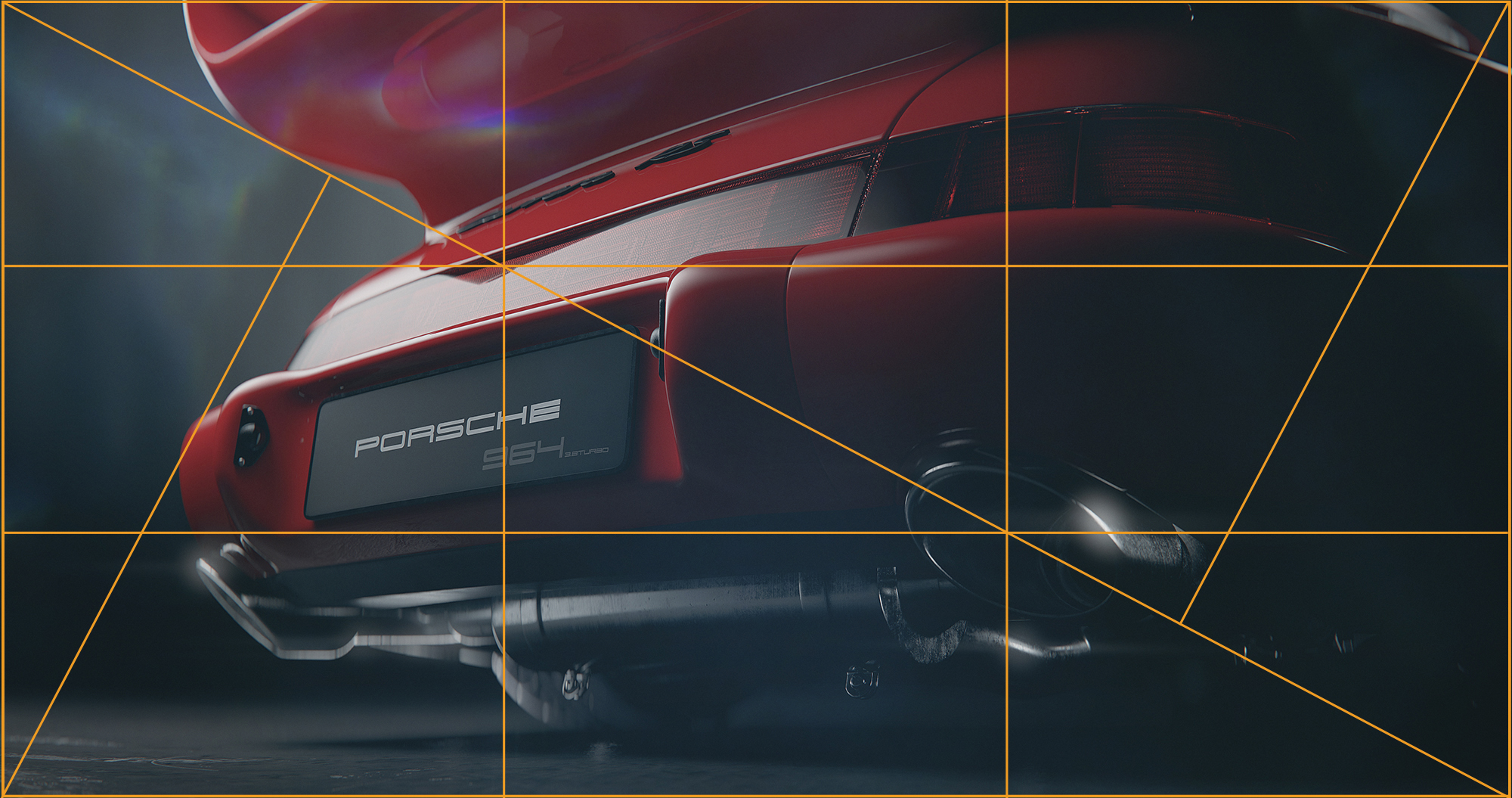
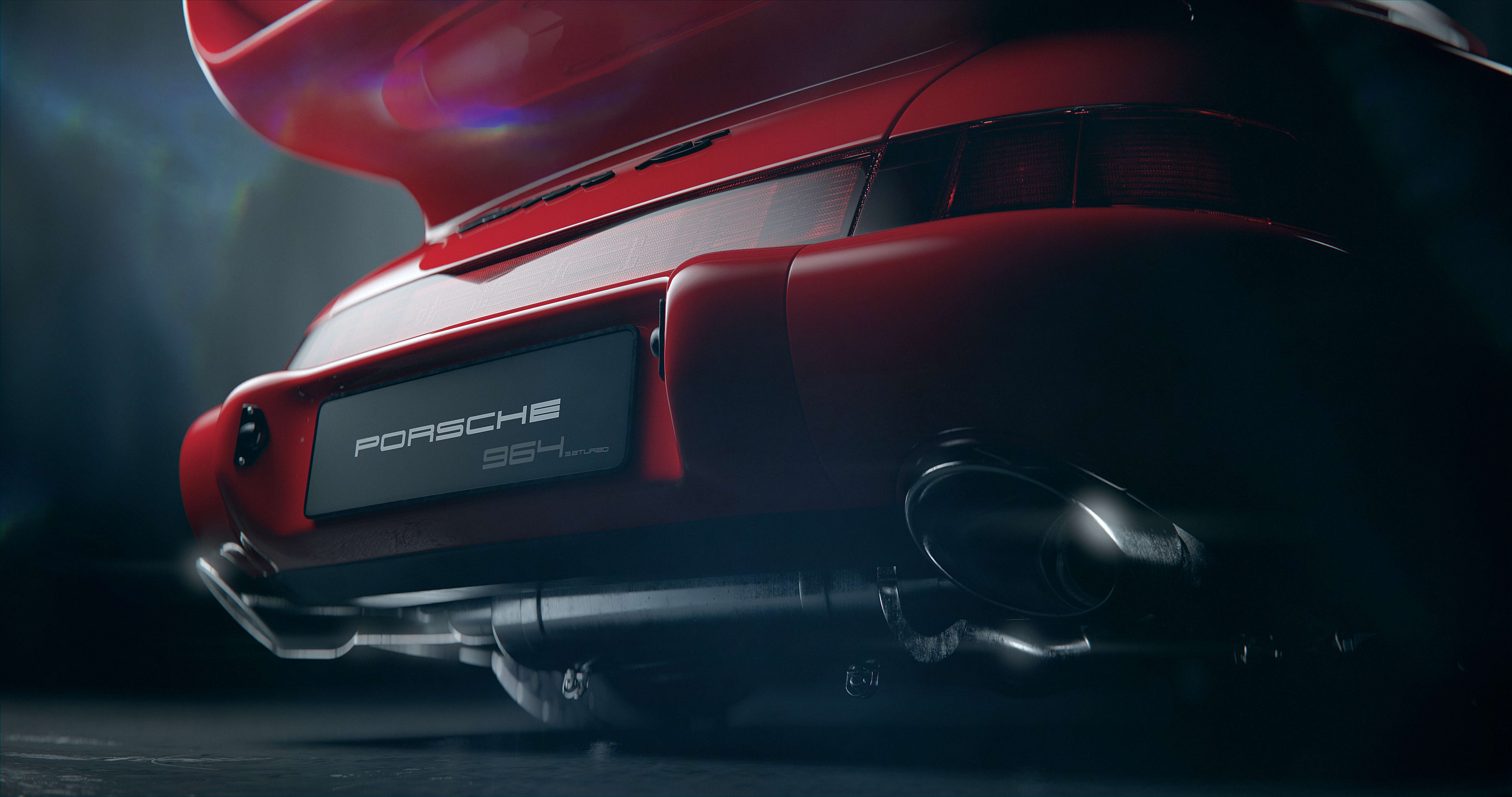
Information technology's really tempting to get carried away with shiny lite effects such as bokeh and glow, but use them too much and all you practice is lose any kind of touch on. Restrict these to strong highlights on certain parts of the image, such every bit metal and glass, in addition to whatever strong light sources.
Although this image is only a department of the Porsche, attending is drawn towards a diagonal piece in the middle, thanks to the glow and bokeh effects. I began by using lines to work out the composition of the image, and then practical the effects following those lines.
10. Add selective highlights
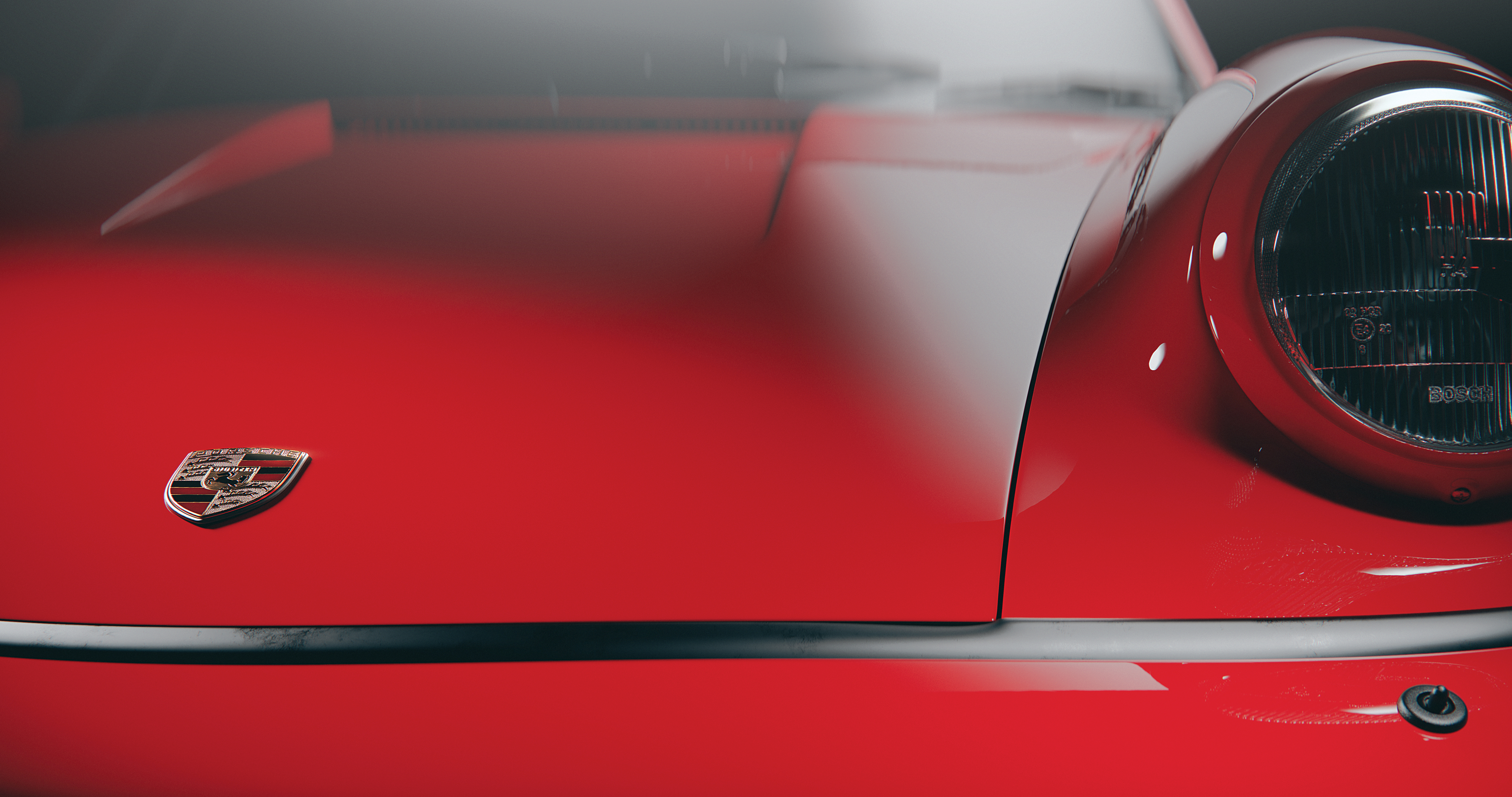
Using photographic techniques, such as a shallow depth of field, is a useful way of cartoon attention to an area, just highlights can too help achieve the same result. The trouble with a shallow depth of field is that all of the in-focus particular is right at the front end of the epitome, and so the viewer tin find it difficult to know where to look.
In our instance above, highlights are used to pick out the texture on the headlight and Porsche logo. Not only does this give a tactile quality to the image, only it helps stop the image looking flat.
xi. Low-cal multiple materials
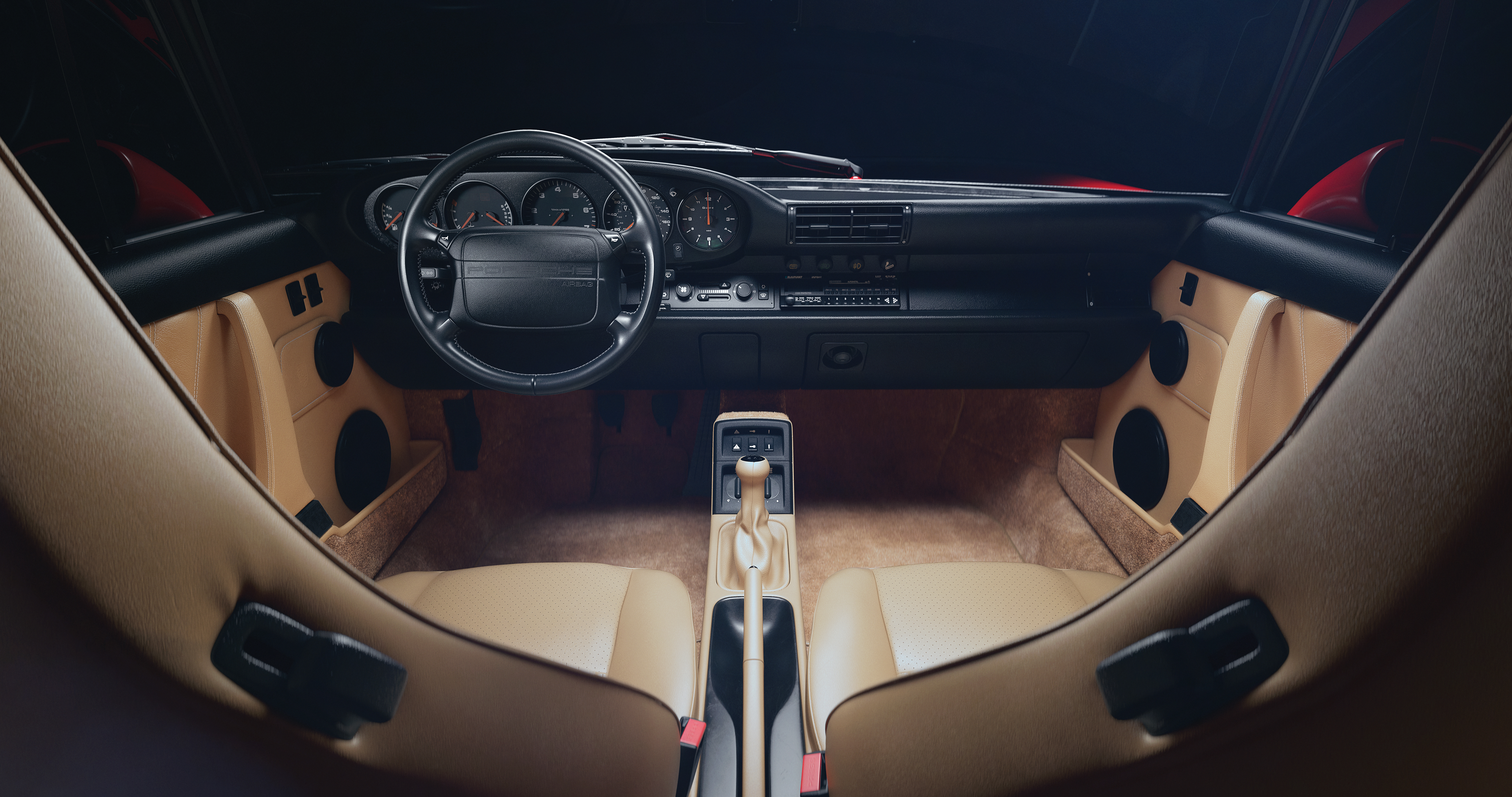
Play with the angle of the source lite to make the most of textures. The lighting in this prototype is placed to accentuate the textures. If it was placed in a different position, some of this particular would accept been lost. When you are aiming for photorealism, information technology is past emphasising recognisable elements that you will achieve your goal.
12. Lite a scene
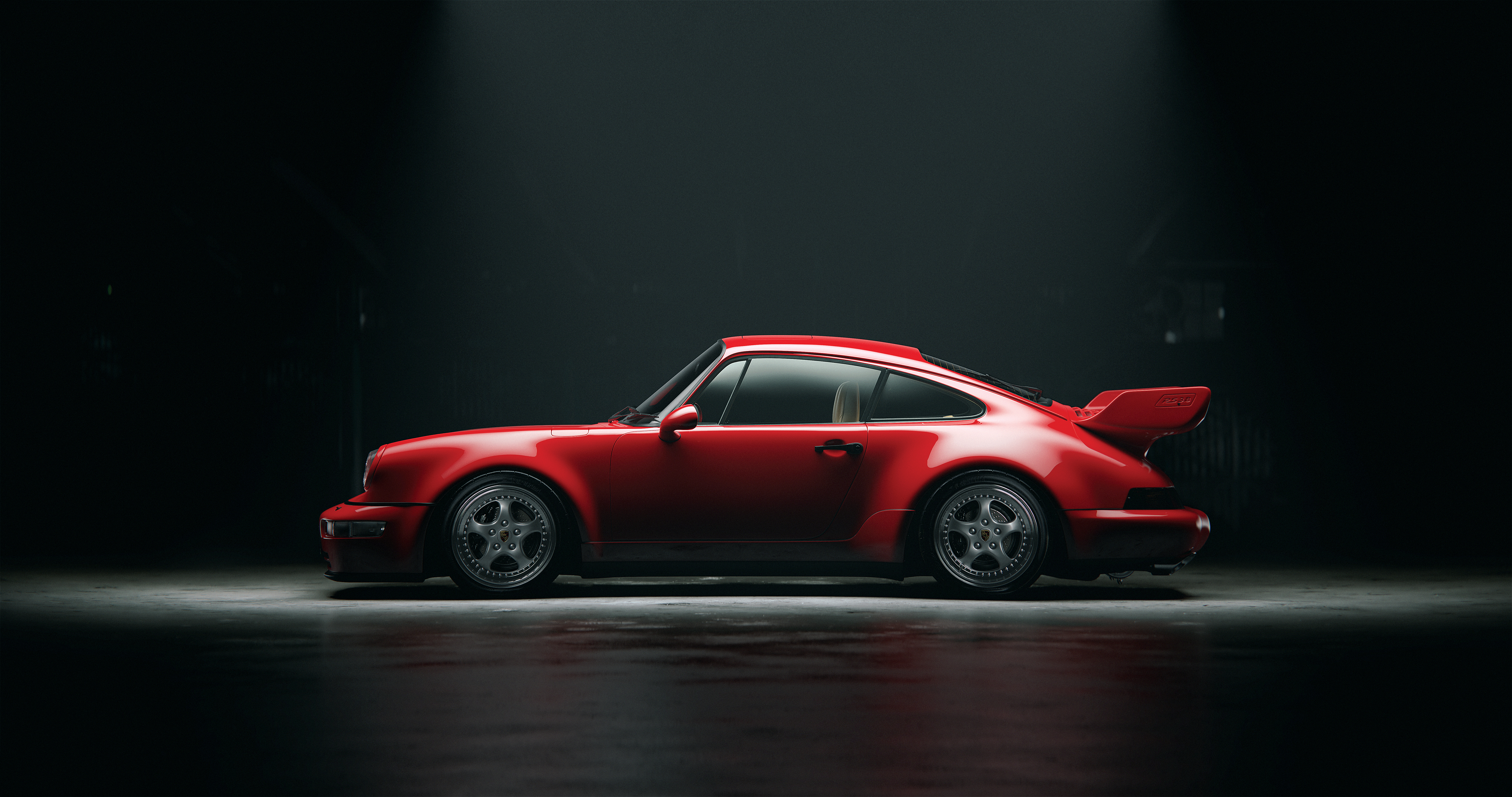
Of course at its nigh bones, lighting is a mode of setting the scene for your prototype. If you are dealing with a real-world object, think well-nigh how lighting might be used in a existent-life setting.
For example, motor shows volition often use dark backgrounds, with a strong spotlight on the automobile being unveiled. It isn't complicated, but it is a recognisable setup, and will therefore aid in making your image feel conceivable.
This article originally appeared in issue 227 of 3D World, the world's best-selling mag for CG artists – packed with expert tutorials, inspiration and reviews. Buy issue 227 hither or subscribe here .
Related manufactures:
- Calling all 3D artists: Bring together united states at Vertex 2018
- Larn how to model a 3D portrait in ZBrush and Maya
- How 3D compositing tools could add a new dimension to your designs
Related manufactures
Source: https://www.creativebloq.com/how-to/12-tips-for-realistic-3d-lighting
0 Response to "add 3d lighting on a drawing"
Post a Comment